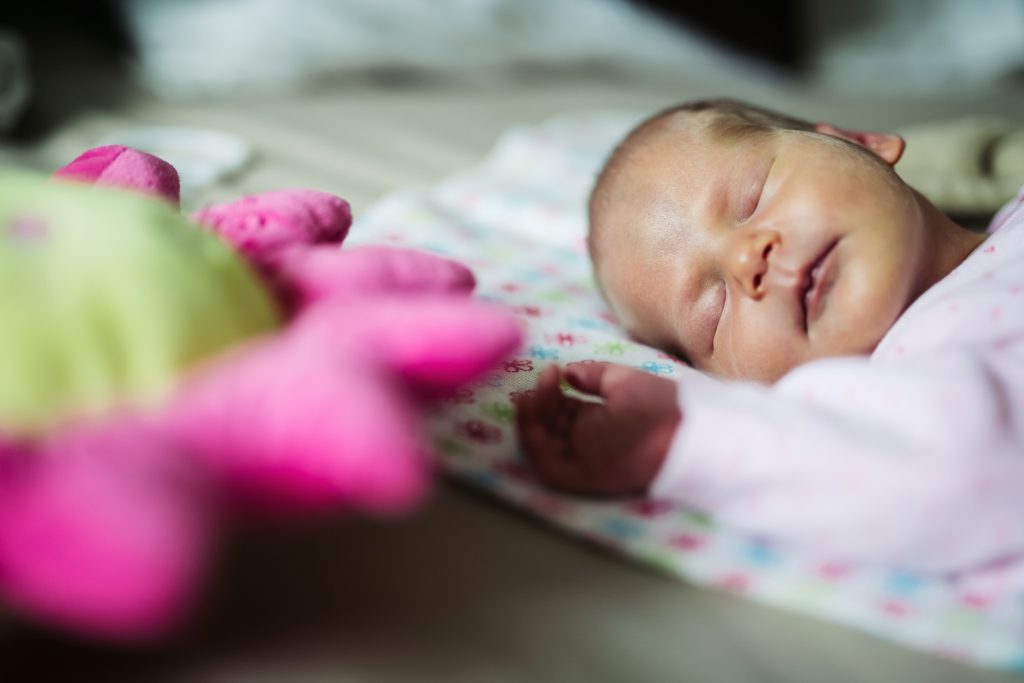
Groundbreaking new research has revealed that music can significantly support brain development in premature babies. Scientists have found that playing gentle, rhythmic music to preterm infants in neonatal intensive care units (NICUs) helps strengthen connections in key parts of the brain responsible for sound processing, emotional awareness, and sensory regulation.
As an educational psychologist in Cape Town, I often discuss how premature birth can increase the likelihood of attention difficulties such as ADHD. This new study offers exciting insight into how music therapy for infants could help improve attention and emotional control by enhancing the brain’s ability to focus on what truly matters.
How the Research Was Conducted
If you’ve ever been in a neonatal ICU, you’ll know how noisy and overstimulating it can be, with constant beeps, alarms, and mechanical sounds. To reduce this sensory overload, researchers designed a controlled experiment where premature babies listened to soothing, carefully composed music through small earphones, particularly when they were waking up or falling asleep.
The results were remarkable. Brain scans showed clear improvements in activity and connectivity within areas related to hearing, emotion, and sensory processing in babies who were exposed to music compared to those who were not. This suggests that music may play a vital role in supporting early neurological development in fragile newborns.
The Link Between Premature Birth, Music, and ADHD
Previous studies have highlighted a strong link between ADHD and children born prematurely. This latest research gives us hope that early exposure to music could help strengthen attention networks in the brain, possibly reducing later difficulties in concentration and focus.
By promoting healthy brain connectivity in the earliest stages of life, music therapy could become a valuable developmental tool for healthcare professionals and parents of premature infants across South Africa and beyond.
Long-Term Outcomes Still Under Investigation
While the findings are extremely promising, this research is still ongoing. The scientists have continued to monitor the first group of babies who participated in the study back in 2016, now eight years old, to determine whether the positive brain changes have translated into lasting improvements in attention, learning, and emotional well-being.
If these long-term benefits are confirmed, music-based developmental care could become a standard part of neonatal therapy programmes in South Africa, offering a simple, low-cost way to support premature babies’ growth and brain health.
A Melody of Hope for Premature Infants
This study beautifully demonstrates how something as natural and nurturing as music can shape the developing brain. For babies born too soon, early exposure to soothing sounds could help them build stronger foundations for focus, emotional regulation, and learning.
It’s a powerful reminder that from our very first days, the human brain is deeply responsive to warmth, rhythm, and connection, and that even in the most clinical settings, a touch of music can make a world of difference.
Watch my helpful video below: